

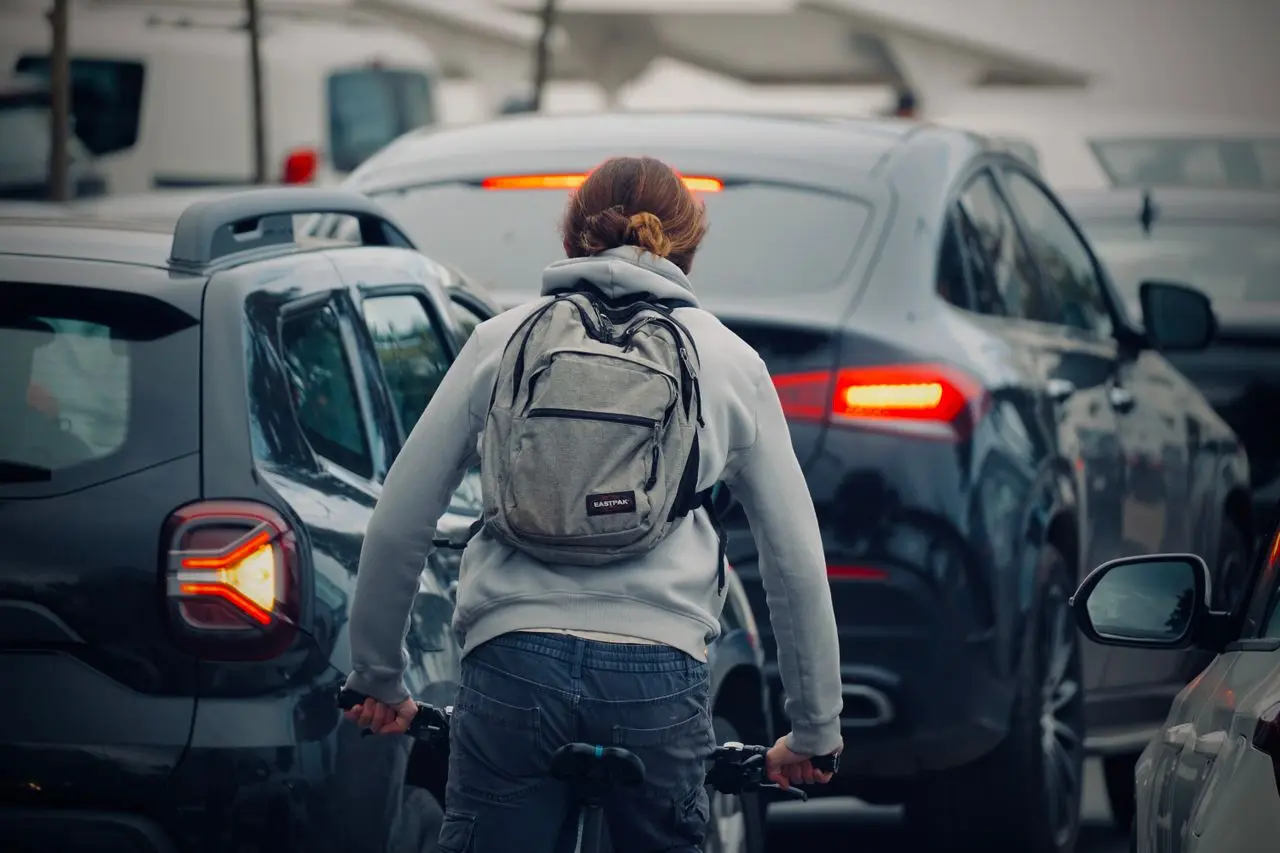
In a dooring accident, South Carolina law places the responsibility squarely on the person opening the vehicle door. Under South Carolina Code Section 56-5-3822, a driver or passenger may not open a car door unless it is reasonably safe to do so and can be done without interfering with moving traffic, including a passing cyclist. A violation of this statute is strong evidence of negligence and can support a bicyclist's injury claim against the driver, the vehicle's owner, or in some cases a rideshare or delivery company. Here is how dooring liability typically works in Charleston.
What Is a Dooring Accident
A dooring accident happens when a parked or stopped vehicle's door is opened directly into the path of an oncoming cyclist, leaving little or no time to react. Because a bicyclist often cannot swerve away from a suddenly opened door without moving into moving traffic, these crashes can result in serious injuries even at relatively low speeds. Dooring is especially common in areas with heavy street parking and bike traffic sharing the same corridor, a combination found throughout Charleston's historic downtown and along popular cycling routes.
South Carolina's Dooring Statute
South Carolina directly addresses this type of crash in South Carolina Code Section 56-5-3822, which states that no person may open a door of a motor vehicle unless it is reasonably safe to do so and can be done without interfering with the movement of other traffic, and that a door may not be left open on the side available to moving traffic longer than necessary to load or unload passengers. This statute applies to anyone opening a vehicle door, whether the driver or a passenger, and it does not require the vehicle to be moving at the time.
Because this is a specific statutory duty, a violation can serve as strong evidence that the person who opened the door acted negligently. In practice, this means that if a driver or passenger opened a door into a cyclist's path without checking for oncoming traffic, that fact alone often forms the core of the bicyclist's injury claim.
How This Fits Into Drivers' Broader Duties to Cyclists
The dooring statute does not stand alone. South Carolina law imposes several related duties on drivers that are often relevant in a dooring case, including:
- Section 56-5-3230, which requires drivers to exercise due care to avoid colliding with any bicyclist or pedestrian on the roadway
- Section 56-5-3435, which requires a driver to maintain a safe operating distance from a bicycle at all times
Together, these provisions reflect a broader legal expectation that drivers and their passengers actively watch for cyclists, both while the vehicle is moving and when it is parked along a street with bike traffic.
Who May Be Held Liable
Liability in a dooring case is not always limited to the person who physically opened the door. Depending on the circumstances, responsibility may extend to:
- The driver or passenger who opened the door into the cyclist's path
- The vehicle owner, if someone other than the owner was driving or riding in the vehicle at the time
- A rideshare or delivery driver's employer, if the door was opened during the course of that person's work
- A municipality or property owner, in rare cases where inadequate signage, lighting, or bike lane design contributed to the crash
Important: Dooring claims often come down to whether the person who opened the door looked for oncoming cyclists first. Witness statements, nearby traffic or security camera footage, and the police report can all help establish what happened, but this kind of evidence can disappear quickly, making prompt documentation important.
Comparative Negligence in Dooring Cases
South Carolina follows a modified comparative negligence rule, adopted by the South Carolina Supreme Court in Nelson v. Concrete Supply Co., 303 S.C. 243, 399 S.E.2d 783 (1991). Under this rule, an injured cyclist can still recover compensation as long as they are found to be 50 percent or less at fault for the crash, with their recovery reduced by their own percentage of fault. If a cyclist is found 51 percent or more at fault, South Carolina law bars them from recovering any compensation. In a dooring case, an insurer may attempt to argue that the cyclist was riding too close to parked cars or was not paying sufficient attention, which makes it important to document the position of the bike lane, parked vehicles, and the point of impact.
Common Injuries in Dooring Accidents
Because a cyclist struck by an opening door often has little time to brace for impact, these crashes can cause a range of serious injuries, including:
- Fractures, particularly to the wrist, arm, shoulder, and collarbone
- Head injuries, including concussions, especially if the cyclist is thrown from the bike
- Road rash and lacerations from contact with the pavement
- Facial injuries and dental trauma
- Soft tissue and back injuries from the sudden impact and fall
Deadlines That Can Affect Your Claim
In South Carolina, an injured cyclist generally has three years from the date of the accident to file a personal injury lawsuit under South Carolina Code Section 15-3-530. Missing this deadline can permanently bar recovery, regardless of how clearly the dooring statute was violated. Because evidence such as witness memories and video footage can fade or be deleted well before that deadline arrives, addressing a dooring claim promptly is generally in an injured cyclist's best interest.
Talk to a Charleston Bicycle Accident Attorney
Dooring accidents often involve disputes over what the driver or passenger saw before opening the door, so having experienced legal guidance early can make a real difference. Kahn Law Firm, LLP represents injured cyclists throughout Charleston in a full range of personal injury claims, including bicycle accident cases. Our attorneys can investigate your crash, gather the evidence needed to establish fault, and fight for the compensation you deserve. Reach out through our contact page or call 843-920-5690 today for a free consultation.
Disclaimer: This article is for informational purposes only and does not constitute legal advice. For legal guidance tailored to your specific situation, consult a licensed attorney.