

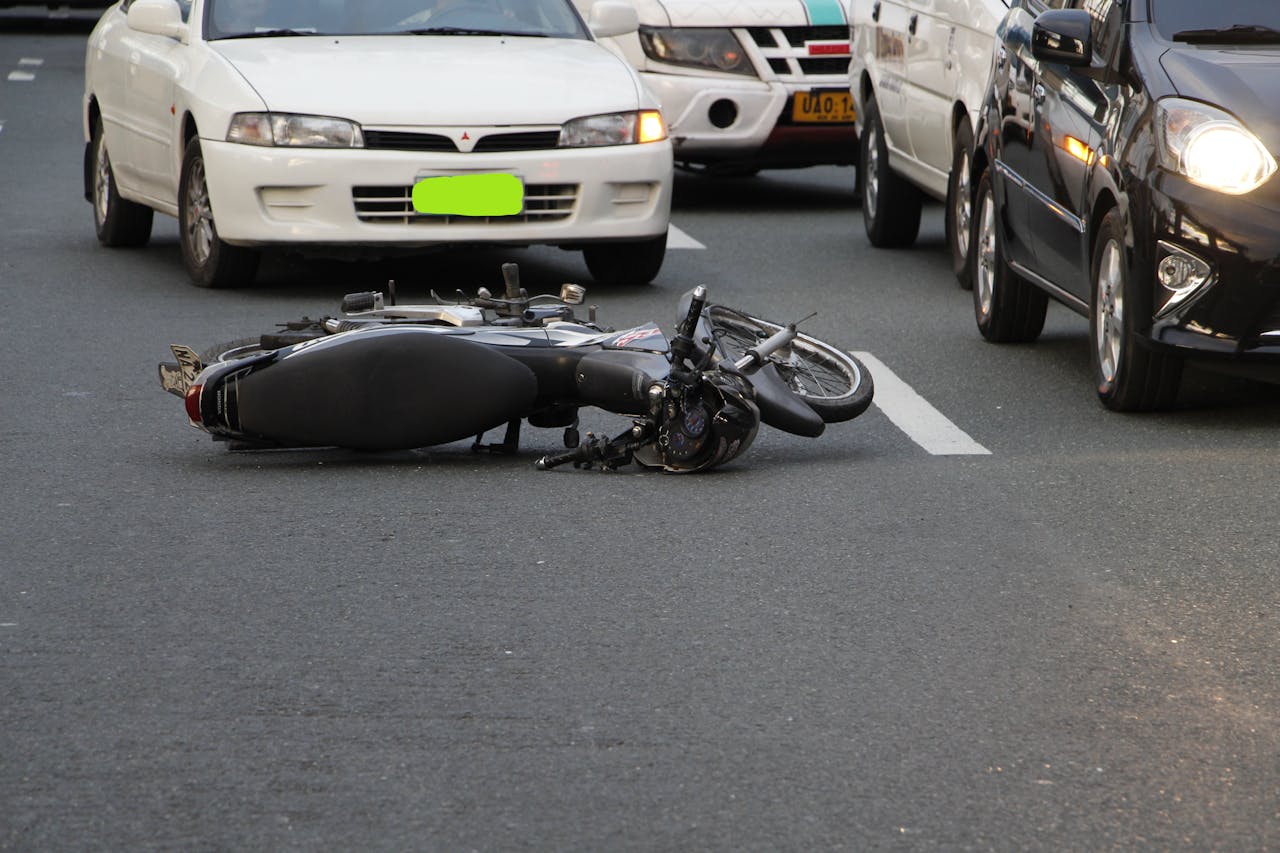
Yes, in most Charleston hit-and-run cases, you can still pursue compensation even if the at-fault driver fled. South Carolina law treats hit-and-run crashes as both a serious crime and a civil wrong, and injured victims still have multiple legal pathways to recover damages, including through mandatory uninsured motorist (UM) coverage. A Charleston hit-and-run lawyer can help investigate the crash, navigate complex insurance rules, work with law enforcement, and protect your rights while you heal.
Hit-and-Run Crashes Are Increasing — and Charleston Is No Exception
Hit-and-run incidents continue to rise across the country. AAA research shows a dramatic increase in hit-and-run fatalities in the past decade, marking these collisions as one of the most dangerous and unpredictable types of motor vehicle crashes. South Carolina consistently reports thousands of hit-and-run crashes every year, many resulting in severe injuries or tragic loss of life.
This leads to a question almost every hit-and-run client asks:
“Can I still file an injury claim if the driver fled?”
For most people, the answer is yes. South Carolina law intentionally provides protections for injured victims when a driver fails to stop — even if that driver is never found.
What South Carolina Law Says About Hit-and-Run Accidents
South Carolina law uses the term “leaving the scene of an accident” rather than “hit-and-run.” These laws create strong duties for drivers and significant penalties for violating them.
Drivers Must Stop After an Accident
Under South Carolina Code §§ 56-5-1210 and 56-5-1230, a driver involved in a collision must:
- Immediately stop at or near the scene
- Provide identifying and insurance information
- Render reasonable assistance
- Call for emergency help if someone is injured
Leaving the scene — especially when someone is hurt — is a criminal offense punishable by fines, prison time, and license revocation.
Criminal Penalties Are Separate From Your Civil Claim
Even when law enforcement investigates the hit-and-run as a crime, that criminal case does not replace the victim’s right to pursue compensation through a civil personal injury claim.
The criminal case focuses on punishment. The civil claim focuses on compensation.
These are two separate processes, and you do not need a criminal conviction to bring a civil claim.
Can You Still File a Claim If the Driver Fled the Scene?
Yes, Most Hit-and-Run Victims in Charleston Still Have Options
Whether or not the at-fault driver is ever found, hit-and-run victims in Charleston generally have two major paths to compensation:
- A claim against the at-fault driver (if identified later)
- An uninsured motorist (UM) claim through your own policy if the driver is never identified
South Carolina law requires every auto policy to include uninsured motorist coverage, and this is what protects you in hit-and-run crashes.
If the Hit-and-Run Driver Is Later Identified
Sometimes the driver who fled is eventually located. Surveillance footage, eyewitness accounts, vehicle debris, police investigation, and digital evidence can all lead to an identification.
When this happens, your injury claim proceeds much like any other car accident case. You may be able to seek compensation through:
- The at-fault driver’s liability insurance
- Your own underinsured motorist (UIM) coverage (if their insurance is insufficient)
Civil damages may include:
- Medical bills
- Lost income
- Pain and suffering
- Future medical needs
- Loss of earning capacity
- Property damage
- In wrongful death cases, funeral and burial costs and other legally recognized losses
Importantly, the act of fleeing may be used as evidence of reckless behavior, which can impact how fault and damages are considered in a civil claim.
If the Driver Is Never Found: Your UM Coverage Applies
This is the most common scenario in hit-and-run cases.
South Carolina requires all auto insurance policies to include uninsured motorist (UM) coverage equal to the state’s minimum liability limits. UM exists specifically to protect victims when:
- The at-fault driver has no insurance, or
- The at-fault driver flees the scene and cannot be identified
In a hit-and-run case, your UM coverage steps into the shoes of the fleeing driver’s insurance.
UM can cover:
- Medical treatment
- Lost wages
- Pain and suffering
- Vehicle damage
- Long-term or permanent injury effects
In other words, even if you never learn who hit you, South Carolina law ensures you still have a way to pursue compensation.
Proving a Hit-and-Run Case When the Driver Is Unknown
Even when the driver is never found, strong evidence is essential. A Charleston hit-and-run lawyer often assists by gathering:
- Police crash reports
- Eyewitness statements
- Surveillance or traffic-camera video
- Vehicle debris or paint-transfer evidence
- Crash reconstruction analysis
- Photographs from the scene
- Medical records linking injuries to the collision
- Cell phone or telematics evidence (in some cases)
UM carriers often require proof that another vehicle was involved. A lawyer can help make sure the evidence supports your claim and meets the necessary legal standards.
Understanding Fault in South Carolina Hit-and-Run Claims
South Carolina uses modified comparative negligence.
This means:
- You may seek compensation as long as you are 50% or less at fault
- Your compensation is reduced by your percentage of fault
This rule applies even in hit-and-run cases. For example, even if you were partially negligent (e.g., speeding slightly), you may still have a valid claim if the fleeing driver caused most of the crash.
Determining fault in a hit-and-run can be complex, especially without the at-fault driver’s account. A lawyer helps piece together all available evidence to show what happened and who was responsible.
What Damages Can Hit-and-Run Victims Recover?
The damages in a hit-and-run case are similar to those in any serious Charleston car accident. Injured victims may pursue compensation for:
- Emergency medical care, surgery, physical therapy
- Hospitalization and follow-up treatment
- Prescription medications
- Lost wages from missed work
- Reduced earning ability if the injury affects future income
- Pain, suffering, and emotional distress
- Permanent disability or scarring
- Property damage to the vehicle
- In wrongful death cases, funeral expenses and certain family losses
Your recovery depends on the extent of your injuries, available insurance coverage, and the strength of the evidence.
How Long Do You Have to File a Hit-and-Run Claim in South Carolina?
South Carolina’s statute of limitations is generally:
- Three years from the date of the accident for personal injury
- Three years for property damage
- Three years from the date of death for wrongful death cases
This means waiting too long could prevent you from filing a lawsuit — even if the driver has not yet been identified. Insurance policies may also have additional claim deadlines, especially for UM and UIM coverage.
Because hit-and-run cases involve multiple moving parts, contacting a lawyer early is often the safest approach.
How a Charleston Hit-and-Run Lawyer Can Help
Hit-and-run cases are among the most challenging car accident claims. Evidence can disappear quickly. Witnesses may not stay at the scene. Insurance companies may question whether an unidentified driver caused the collision.
A Charleston hit-and-run lawyer can assist by:
Conducting a Thorough Investigation
They collect evidence, obtain police reports, locate witnesses, analyze damage patterns, and gather surveillance footage. The sooner this begins, the more evidence can be preserved.
Working With Law Enforcement
Lawyers often communicate with police about the case, ensure important details are documented, and monitor progress in identifying the driver.
Handling UM and UIM Claims
Insurance companies often push back on UM claims. An attorney understands how to structure the claim, what documentation insurers require, and how to push back against delays or low settlement offers.
Determining All Possible Sources of Compensation
There may be multiple policies involved depending on the facts. An attorney can evaluate whether:
- Liability insurance applies
- UM/UIM coverage applies
- Multiple policies can be stacked
- Additional defendants (vehicle owners, employers, bars, etc.) may share responsibility
Managing Deadlines and Legal Requirements
Hit-and-run cases carry unique procedural rules and strict timelines. A lawyer ensures that all filings, notices, and evidence submissions are completed correctly and on time.
Presenting a Strong Damages Claim
To maximize compensation, a lawyer documents medical needs, lost income, long-term disability, and non-economic damages. They may also work with medical or financial experts when injuries are severe.
What You Should Do After a Hit-and-Run in Charleston
While everyone’s situation is different, victims often take certain steps to help protect their rights:
- Report the crash to law enforcement immediately
- Photograph the scene, vehicle damage, and surroundings
- Identify witnesses if possible
- Preserve any dashcam footage
- Seek medical care even if symptoms seem minor
- Notify your insurance carrier
- Speak with a lawyer before giving recorded statements
Hit-and-run injuries can worsen over time, and evidence disappears quickly, so early action is often important.
Conclusion
A hit-and-run crash is shocking, disorienting, and deeply unfair. But under South Carolina law, you still have powerful tools to seek compensation — even if the driver is never identified. Between mandatory uninsured motorist coverage, strong civil remedies, and the investigative resources available to experienced attorneys, victims in Charleston still have options.
Kahn Law Firm, LLP is committed to helping hit-and-run victims rebuild after a devastating crash. Their seasoned trial attorneys, decades of experience, and client-focused approach make them a strong choice for those facing the aftermath of a hit-and-run collision.
If you or someone you love has been hurt in a hit-and-run accident in Charleston, you can contact the firm directly at 843-920-5690 or through their contact page.
The right guidance can make all the difference after a driver leaves the scene — and you don’t have to navigate it alone.
Disclaimer: This article is for informational purposes only and does not constitute legal advice. For legal guidance tailored to your specific situation, consult a licensed attorney.